
Learn Articles
Latest articles, insights, and updates from the blog.

What Is a Zero-Day Vulnerability? Full Explanation
What is a zero-day vulnerability? Explained in plain English: how these unpatched flaws get exploited and why layered defenses, not patching alone, reduce the risk.

What Is a Firewall and How Does It Protect You?
A firewall filters traffic between your network and the internet. Learn how it works, what it can't stop, and how to use it in your security plan.
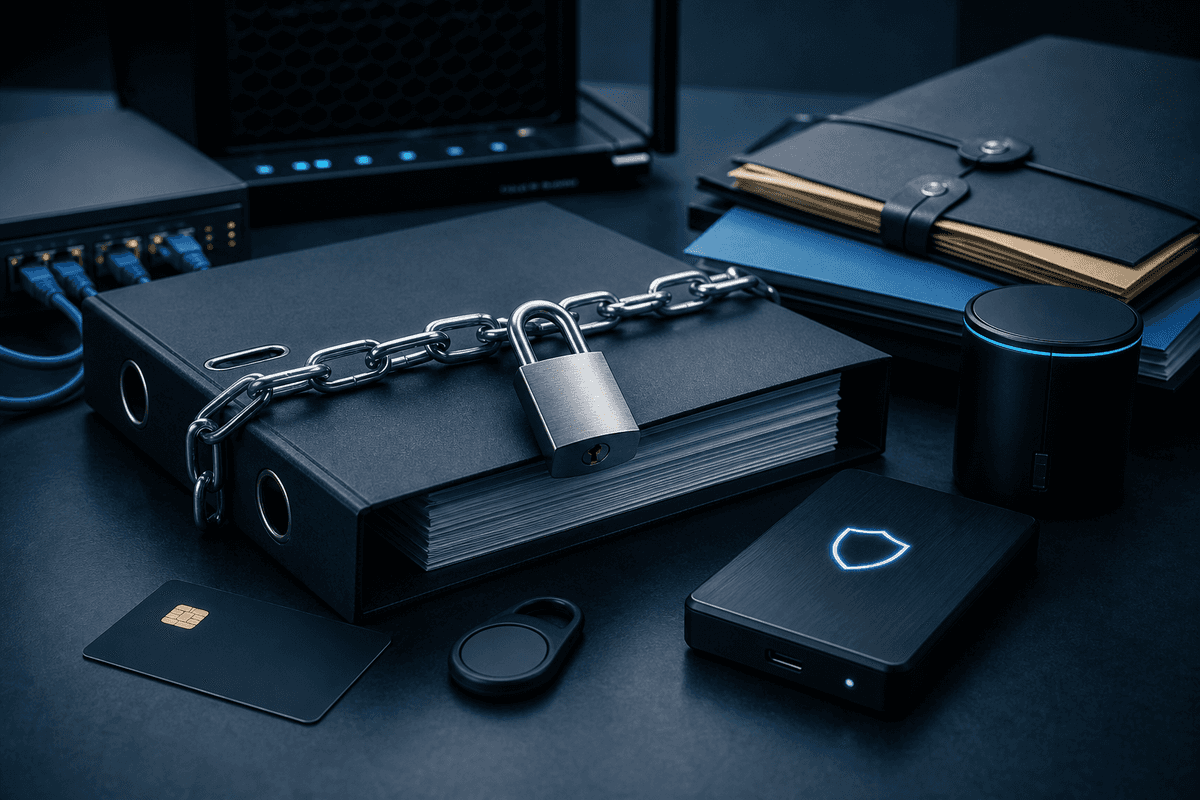
Defense in Depth Cybersecurity Strategy Explained for 2026
Learn how a defense in depth cybersecurity strategy layers controls to reduce business risk. Assess your security gaps today.

Types of Malware and How They Spread (2026)
Discover the 10 main types of malware, ransomware, trojans, spyware, fileless malware, and more, and exactly how attackers spread them. Expert guidance from Bellator Cyber Guard.

What Is a Security Operations Center (SOC)? Explained
A SOC monitors, detects, and responds to cyber threats around the clock. Learn its core functions, analyst tiers, and whether a managed option fits your business.

Threat Modeling Fundamentals: A Step-by-Step Guide
Threat modeling fundamentals for small practices: the STRIDE framework, four core questions, and a step-by-step process to assess IT infrastructure risk.

NIST Cybersecurity Framework Implementation Guide
Learn the NIST CSF 2.0 functions and how they connect governance, risk, incident response, and practical cybersecurity improvements.

Cybersecurity Risk Assessment Template & Methodology Guide
A NIST-aligned cybersecurity risk assessment template and 7-step methodology to identify threats, score risk, build a risk register, and meet compliance.

NIST Phishing Resistant MFA Security Keys: Official Guide
NIST names FIDO2 security keys the standard for phishing-resistant MFA. See what qualifies under AAL3, how it compares to SMS and apps, and how to start.

NIST Password Reuse & Credential Stuffing Guidance 2026
NIST SP 800-63B Revision 4 password guidance for 2026: length requirements, compromised-password blocklists, password managers, MFA, and credential-stuffing defenses.

CISA Password Manager Guidance: Use Unique Passwords
CISA recommends password managers and unique passwords for every account. See the full guidance and learn how to implement it in your business today.

NIST Password Manager Recommendations: Official Guidance
NIST SP 800-63B-4 (2025) guidance on password managers: 64-character length, no forced rotation, breach screening, MFA, and FIDO2. What it means for your firm.
Still Have Questions? We're Happy to Chat.
Book a free 15-minute call with our team. No sales pitch, no jargon, just straight answers about staying safe online.